
The Ultimate Guide to the Primate Capital of the World
Kibale National Park stands as a beacon for nature lovers and adventure seekers in the heart of Western Uganda. Often called the Primate Capital of the World, this lush rainforest offers a unique glimpse into the wild. Visitors from across the globe flock here to experience the magic of the African jungle up close. Solitary Safaris welcomes you to explore this verdant paradise where biodiversity thrives in every corner. From the towering ancient trees to the rhythmic calls of the wild, Kibale National Park promises an unforgettable journey.
Kibale National Park
The Magic of Chimpanzee Trekking in Kibale
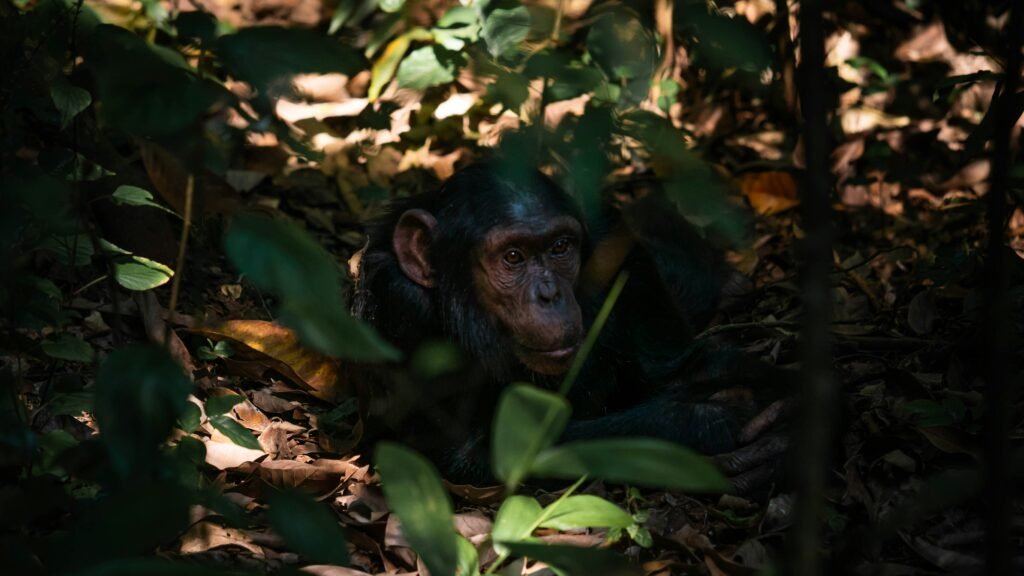
Chimpanzee trekking is the most popular activity within Kibale National Park. This thrilling adventure allows you to walk through dense foliage to find our closest living relatives. You will follow expert rangers who understand the language of the forest. They track footprints, broken branches, and loud pant-hoots to locate the habituated chimpanzee communities. Once you find them, you spend one glorious hour observing their social dynamics. You might see them grooming, playing, or hunting in the high canopy.
This experience in Kibale National Park is both educational and deeply moving for every traveler. The park hosts over 1,500 chimpanzees, making it the premier spot for such encounters in East Africa. You will feel a surge of excitement when you first lock eyes with a wild chimp. Their expressions and gestures mirror human behavior in a way that feels almost familiar. Solitary Safaris ensures that your trek is safe, respectful, and highly informative. We prioritize conservation so that these magnificent creatures continue to thrive for generations.
Best Time to Visit Kibale National Park
Timing is crucial when planning your dream safari to Kibale National Park. While the park is open all year, certain months offer a better experience for trekking. The dry seasons are generally the most preferred times for international visitors. These periods run from June to September and again from December to February. During these months, the forest trails remain dry and easy to navigate on foot. You will enjoy clear skies and plenty of sunshine for your photography sessions.
Seasonal Variations in the Forest
However, the wet seasons also have their unique charm in Kibale National Park. From March to May and October to November, the forest becomes incredibly lush and green. Food is abundant for the primates, so they often stay in lower altitudes. This can sometimes make the chimpanzees easier to find without long, strenuous hikes. Bird watchers especially love the rainy season because migratory birds fill the trees with color. Solitary Safaris can help you choose the best dates based on your specific interests and fitness levels.
Pro Tip: Always book your chimpanzee permits at least six months in advance. Demand is high, and the Uganda Wildlife Authority limits daily visitors to protect the forest.
The Chimpanzee Habituation Experience (CHEX)
For those who want a deeper connection, Kibale National Park offers the Chimpanzee Habituation Experience. This activity differs significantly from the standard one-hour trek. You join researchers and rangers as they follow a semi-habituated group for several hours. This process helps the chimps get used to the presence of humans without fear. You will watch them de-nest in the early morning or prepare for sleep at dusk. This is the ultimate behind-the-scenes look at wildlife conservation in action.
A Full Day of Primate Discovery
Spending four to six hours with the primates in Kibale National Park is truly transformative. You begin to recognize individual personalities and social hierarchies within the troop. You might observe a mother teaching her infant or a dominant male defending his territory. The extra time allows for incredible photography opportunities that a standard trek cannot provide. Solitary Safaris recommends this for serious wildlife enthusiasts and professional photographers. It is a more demanding activity, but the rewards are well worth the physical effort.
Biodiversity Beyond the Chimpanzees
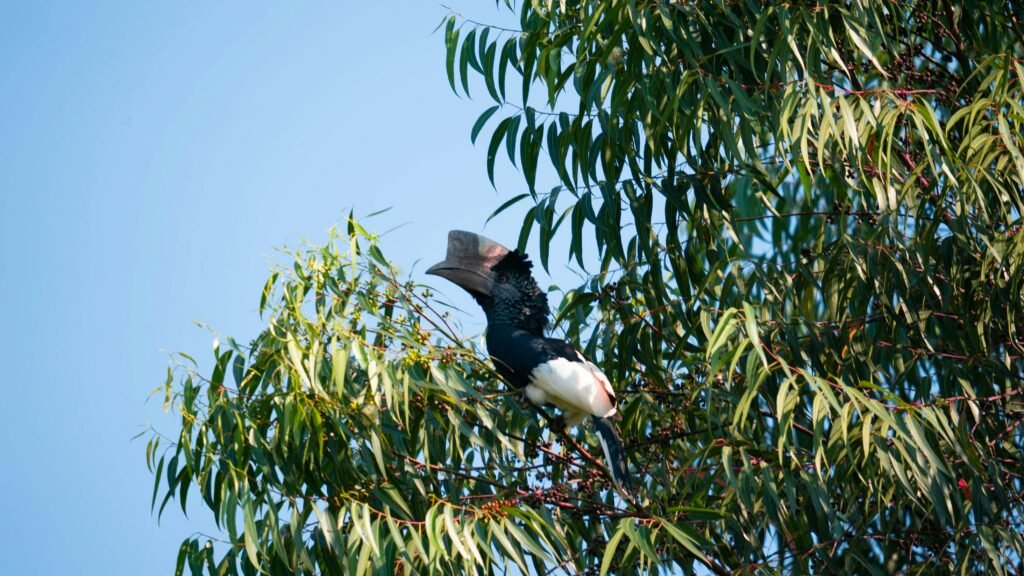
While chimps are the stars, Kibale National Park is home to twelve other primate species. You can easily spot the beautiful Black-and-white Colobus and the rare Ugandan Red Colobus. The Grey-cheeked Mangabey and L’Hoest’s Monkey also frequent the forest edges. Beyond primates, the park shelters forest elephants, buffaloes, and over 350 species of birds. The diversity here is truly staggering and keeps your binoculars busy throughout the day. Every turn on the trail reveals a new insect, plant, or bird species.
Exploring Bigodi Wetland Sanctuary
Just outside the main forest of Kibale National Park lies the Bigodi Wetland Sanctuary. This community-led project is a haven for birders and monkey lovers alike. You can take a guided walk through the swamp on raised wooden boardwalks. Look out for the Great Blue Turaco, which is the star bird of this area. You might also see sitatunga antelopes hiding in the papyrus reeds. Supporting Bigodi means you are directly contributing to the local community and conservation efforts.
Luxury Living: Accommodation in the Jungle
Finding the right place to stay is vital for your comfort in Kibale National Park. The area offers a range of lodges that blend luxury with the natural environment. Many lodges sit on the rims of ancient crater lakes, offering breathtaking views. You can wake up to the sounds of the forest and enjoy your morning coffee on a private deck. Whether you prefer a rustic camp or a high-end lodge, there is something for everyone. Solitary Safaris partners with the best establishments to ensure your stay is perfect.
Top Lodges Near the Primate Capital
- Primate Lodge Kibale: This lodge sits right inside the park for maximum convenience.
- Kyaninga Lodge: Famous for its stunning views over a turquoise crater lake and the Rwenzori Mountains.
- Ndali Lodge: A classic choice set on a tea estate with an old-world African charm.
- Turaco Treetops: A modern, eco-friendly lodge that provides a home away from home feeling.
- Papaya Lake Lodge: Offers boutique luxury and a beautiful swimming pool overlooking the craters.
Staying near Kibale National Park allows you to reach the briefing point early in the morning. This is especially helpful for the habituation experience which starts before sunrise. Most lodges provide packed lunches for your trekking adventures in the forest. You will appreciate a warm shower and a gourmet meal after a long day of hiking. The hospitality in this region is warm, genuine, and deeply rooted in Ugandan culture.
Essential Safari Packing List for Kibale
Preparing for your trip to Kibale National Park requires some thoughtful planning. The forest can be humid, muddy, and unpredictable in terms of weather. You need gear that protects you from the elements while remaining comfortable. Solitary Safaris has compiled this list to help you pack efficiently for your primate adventure.
Clothing and Footwear
- Sturdy Hiking Boots: Ensure they have a good grip and are waterproof for muddy trails.
- Long-sleeved Shirts: Protect your arms from stinging nettles and thorny branches.
- Lightweight Trousers: Avoid jeans; choose quick-dry trekking pants instead.
- Long Socks: Essential for tucking in your trousers to prevent safari ants from biting.
- Rain Jacket or Poncho: A light, breathable one is best for sudden tropical downpours.
- Wide-brimmed Hat: Protects your face from the sun and falling forest debris.
Equipment and Personal Items
- Binoculars: Necessary for spotting monkeys and birds high in the canopy.
- Camera with Zoom Lens: Capture the chimpanzees even when they are in the trees.
- Insect Repellent: Choose one with a high DEET percentage to ward off mosquitoes.
- Gardening Gloves: Helpful for gripping branches or vines during steep climbs.
- Refillable Water Bottle: Stay hydrated during your trek in the humid forest.
- Daypack: A small, waterproof bag to carry your lunch, camera, and rain gear.
Kibale National Park
Why Choose Solitary Safaris for Your Journey?
Solitary Safaris is a premier tour operator dedicated to providing authentic African experiences. We understand that a visit to Kibale National Park is a bucket-list item for many. Therefore, we handle every detail with precision and care, from permits to private transport. Our guides are local experts who share a deep passion for Uganda’s natural heritage. They know the best spots for birding and the secret trails where wildlife hides. We believe in sustainable tourism that benefits both the environment and the local people.
Tailored Experiences Just for You
We customize every itinerary to match your pace and preferences in Kibale National Park. Whether you are a solo traveler or a family with children, we have the right plan. We can combine your primate trek with a visit to Queen Elizabeth National Park or Bwindi. This ensures you see the Big Five alongside the famous Great Apes of Uganda. Our goal is to make your safari seamless, educational, and incredibly fun. Trust Solitary Safaris to show you the true heart of the Pearl of Africa.
Conclusion: Your Adventure Awaits in the Jungle
Kibale National Park is more than just a forest; it is a living, breathing ecosystem. It offers a rare chance to step away from the modern world and reconnect with nature. The sights, sounds, and smells of the jungle will stay with you forever. From the first chimp you see to the last sunset over the crater lakes, every moment is precious. Solitary Safaris is ready to guide you through this spectacular landscape with ease. Your journey to the primate capital starts with a single step into the green.
Would you like us to create a customized 3-day itinerary for your visit to Kibale National Park?