April 2, 2026
A Journey of Peace and Remembrance
Visiting the Kigali Genocide Memorial is a powerful and life-changing experience for every traveler in Rwanda. This sacred site stands as a permanent tribute to the victims of the 1994 Genocide against the Tutsi. At Solitary Safaris, we believe that understanding the past is essential for appreciating the present. Therefore, we include a visit to the Kigali Genocide Memorial in all our Rwanda and Uganda safari itineraries. This guide provides everything you need to know about this significant landmark.
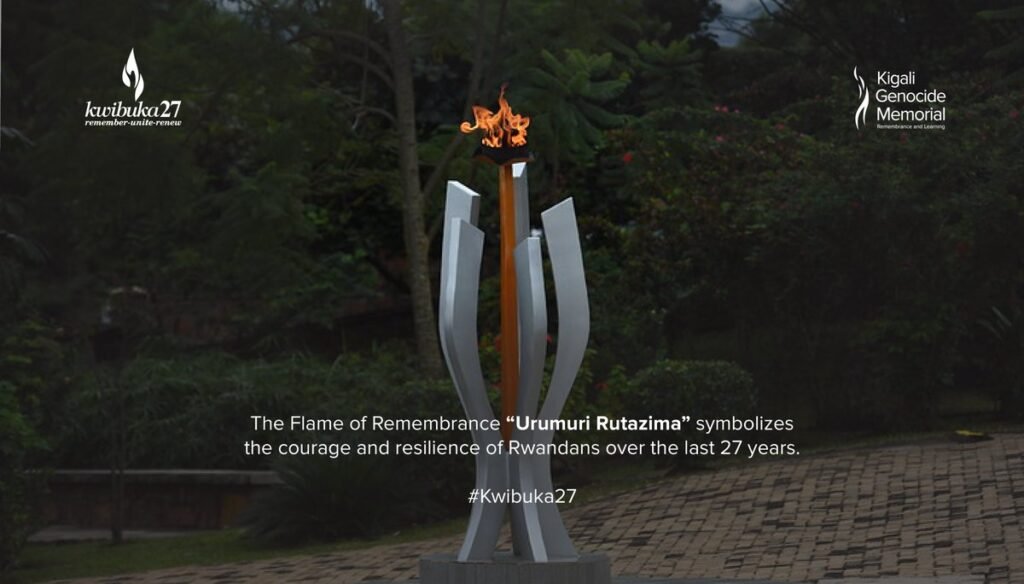
Kigali Genocide Memorial
The Importance of the Kigali Genocide Memorial in Rwanda
The Kigali Genocide Memorial serves as the final resting place for over 250,000 victims. It is located in the Gisozi district, just a short drive from the city center. This site is not merely a graveyard but a place of learning and reflection. Visitors come here to honor those who lost their lives during those dark 100 days. Furthermore, the memorial plays a vital role in the healing process of the Rwandan people.
When you walk through the gates, you feel a sense of profound peace and quiet. The gardens are beautifully maintained and offer a space for deep meditation. Most people find the experience very moving and emotionally challenging. However, it is a necessary step to understand the resilience of modern Rwanda. The Kigali Genocide Memorial reminds the world of the importance of unity and Never Again.
What to Expect During Your Visit to the Memorial
The memorial is divided into three main sections that guide you through the history of the genocide. First, you will explore the historical exhibition which details the causes of the conflict. This section uses photographs, videos, and artifacts to tell the story clearly. You will learn about the colonial influence and the propaganda that fueled the violence. Transitioning from the past to the present, the second section focuses on the 100 days of the genocide itself.
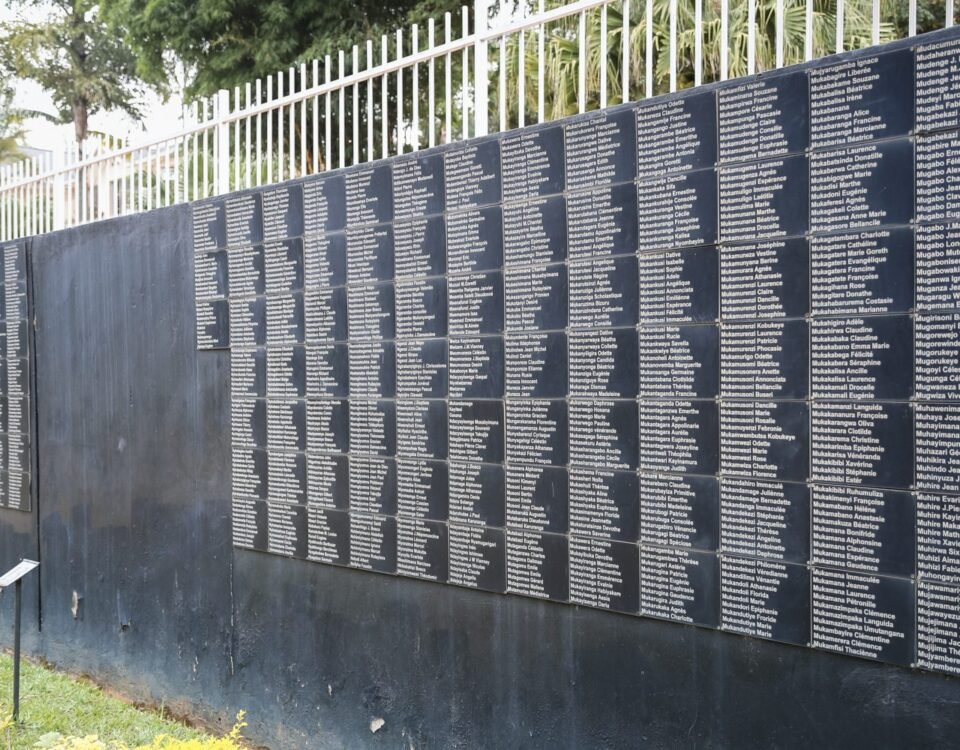
The third section of the Kigali Genocide Memorial is perhaps the most touching part of the site. It is called the Children’s Room and is dedicated to the youngest victims. You will see photos of children alongside their favorite toys and final words. This room highlights the innocent lives lost and the potential that was taken away. Finally, you move outside to the mass graves and the Wall of Names. Here, families come to pray and remember their loved ones in a dignified setting.
Exceptional Reflections on Resilience with Solitary Safaris
At Solitary Safaris, we see the Kigali Genocide Memorial as a symbol of hope rather than just tragedy. Rwanda has made an incredible recovery since 1994, and this site proves that strength. When our guests visit the memorial, they often feel a mix of sadness and inspiration. We provide professional guides who explain the context of the exhibits with great care and empathy. This ensures that you leave with a deep understanding of the country’s journey toward reconciliation.
Uganda safaris and gorilla trekking are often the main reasons people visit East Africa. However, stopping at the Kigali Genocide Memorial adds a layer of cultural depth to your adventure. It allows you to see the soul of the Rwandan people before you head into the mountains. Many of our clients say this visit was the most impactful part of their entire trip. It puts the beauty of the national parks into a wider, more meaningful perspective.
The memorial also operates a peaceful café where you can sit and process your thoughts. We encourage our guests to take their time and not rush through the exhibits. Reflection is an active part of the visit, and the quiet gardens provide the perfect environment. By visiting, you also support the Aegis Trust, which manages the site and funds peace education. This way, your safari contributes directly to the continued peace and stability of the region.
Best Time to Visit the Kigali Genocide Memorial
The Kigali Genocide Memorial is open to visitors throughout the entire year. It operates daily from 8:00 AM to 5:00 PM, though the last entry is at 4:00 PM. We recommend visiting during the morning hours for a quieter and more private experience. If you visit in April, be aware that this is the national mourning period. During this time, the memorial hosts many official ceremonies and can be quite crowded.
Weather-wise, the dry seasons from June to September and December to February are ideal for travel. These months also coincide with the peak season for gorilla trekking in Volcanoes National Park. Since the memorial is mostly indoors, a bit of rain will not ruin your visit. However, walking through the outdoor gardens is much more pleasant when the sun is shining. Always check the local calendar for public holidays, as the site may have limited hours.
Combining History with Uganda Safaris and Gorilla Trekking
Many travelers choose to start their journey at the Kigali Genocide Memorial before crossing into Uganda. This route is very popular because Kigali is a clean, modern, and very safe city. After your morning at the memorial, you can drive north toward the border. This leads you directly to the home of the mountain gorillas in Bwindi Impenetrable Forest. Combining these two countries gives you a complete East African safari experience.
Gorilla trekking is a physically demanding activity that requires a sense of adventure. In contrast, the Kigali Genocide Memorial is a mental and emotional journey. Balancing these two experiences creates a well-rounded holiday that touches both the heart and the spirit. Solitary Safaris handles all the logistics for these cross-border trips, including permits and transportation. We ensure that your transition from the city to the jungle is seamless and comfortable.
Essential Packing List for Your Visit and Safari
When visiting the Kigali Genocide Memorial, you should dress modestly and respectfully. For the rest of your safari, you will need gear suited for the forest and savannah.
- Modest clothing: Wear shirts that cover your shoulders and trousers or long skirts.
- Comfortable walking shoes: You will do a fair amount of walking on the memorial grounds.
- A light jacket or sweater: Kigali can be cool in the mornings and late evenings.
- Rain gear: A waterproof jacket is essential for gorilla trekking in the rainforest.
- Garden gloves: These protect your hands from stinging nettles during your trek.
- Binoculars and Camera: Capture the wildlife, but remember that indoor photography is forbidden at the memorial.
- Insect repellent: This is vital for both city walks and forest hikes.
- Reusable water bottle: Stay hydrated while supporting eco-friendly tourism practices.
How to Get to the Kigali Genocide Memorial
The Kigali Genocide Memorial is very easy to reach from any part of the city. If you book with Solitary Safaris, your private driver will take you directly to the entrance. For independent travelers, taxis and motorcycle taxis are readily available and quite affordable. The site is located in Gisozi, which is roughly ten minutes from the city center. There is ample parking available if you are driving your own vehicle.
If you are arriving from the airport, the drive takes about 15 to 20 minutes. Most international flights land in the afternoon, so many guests visit the memorial the next morning. This allows you to rest and start your cultural tour with a fresh mind. The roads in Kigali are excellent and well-signposted, making navigation very simple for everyone. You will find the staff at the memorial to be very welcoming and helpful.
Tips for a Respectful and Meaningful Visit
To make the most of your time at the Kigali Genocide Memorial, please follow the site guidelines. Silence is required in all the indoor exhibition areas and near the mass graves. This shows respect for the victims and for the survivors who may be visiting. While outdoor photography is allowed, taking photos of the remains or sensitive exhibits is strictly prohibited. We ask all our guests to be mindful of their surroundings at all times.
You can also purchase an audio guide at the entrance for a small fee. This device provides detailed narrations in several languages, including English, French, and Kinyarwanda. It allows you to move at your own pace while hearing personal stories from survivors. Many people find that the audio guide makes the experience much more intimate. If you have questions, the site guides are always available to provide further information.
Why Solitary Safaris is Your Best Partner in East Africa
Choosing Solitary Safaris means choosing expertise and local knowledge. We have years of experience in organizing tours to the Kigali Genocide Memorial and beyond. Our team understands the delicate nature of visiting such a site and treats every guest with care. We pride ourselves on our punctuality, safety, and personalized service. Whether you are a solo traveler or a large group, we cater to your specific needs.
We also offer specialized packages that link the memorial to top wildlife destinations. You can enjoy the Kigali Genocide Memorial in the morning and be at your lodge near the gorillas by evening. Our 4×4 vehicles are well-maintained and perfect for the mountainous terrain of Rwanda and Uganda. We believe that every trip should be an educational and transformative journey. Let us guide you through the history and natural beauty of our home.
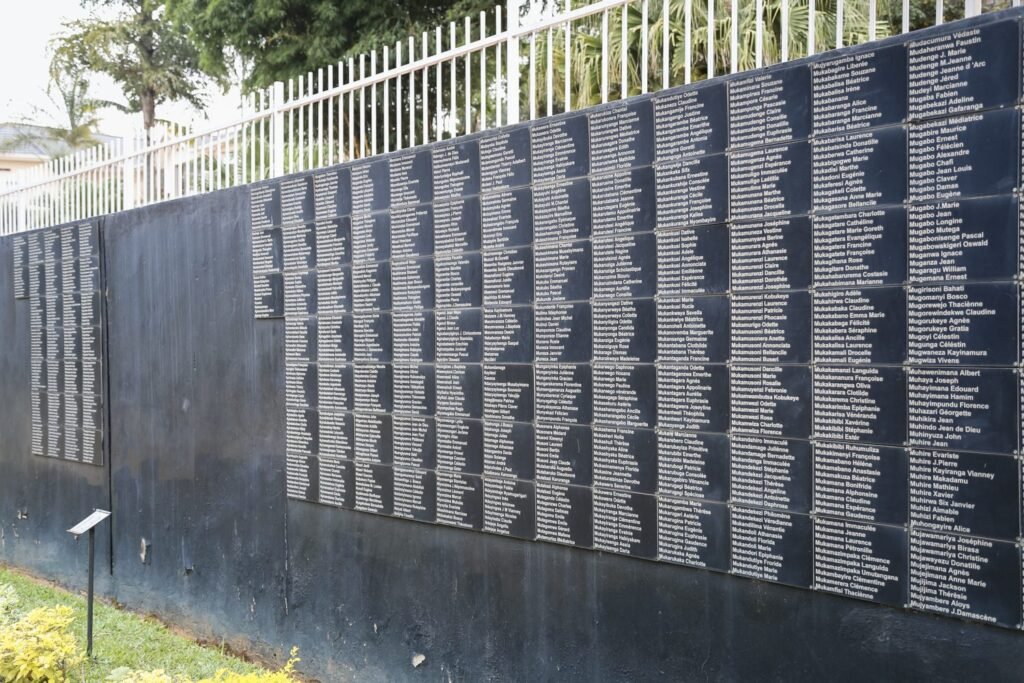
Kigali Genocide Memorial
Final Thoughts on the Kigali Genocide Memorial
The Kigali Genocide Memorial is a place that everyone should visit at least once in their life. it challenges your perceptions of humanity while showcasing the power of forgiveness. It is a vital part of any Uganda safari and gorilla trekking adventure in the region. By witnessing the past, we learn how to build a better and more peaceful future. We invite you to join us on this path of discovery.
The memories you make at the Kigali Genocide Memorial will stay with you long after you return home. It is a testament to the strength of the human spirit and the beauty of reconciliation. Solitary Safaris is honored to share this part of Rwanda’s story with you. We look forward to welcoming you to Kigali and showing you the wonders of East Africa. Plan your visit today and experience the heart of Rwanda for yourself.
Would you like us to book your entry permits and arrange a private guide for your visit to the memorial?