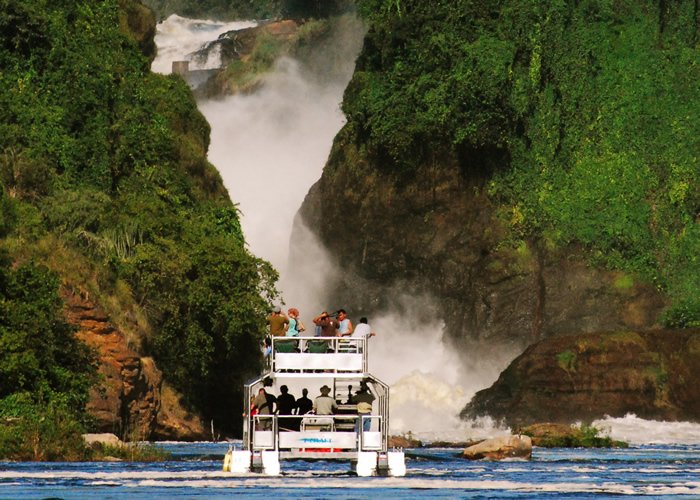

Best Time to Visit Murchison Falls National Park
September 24, 2026Best Time to Visit Semuliki National Park
September 25, 2026Best Time to Visit Queen Elizabeth National Park
The best time to visit Queen Elizabeth National Park for classic wildlife viewing is generally during the drier periods from June to August and December to February. These months usually provide easier conditions for Game Drives, while wildlife often becomes easier to locate around water sources. However, the park is open year-round, and the wetter months can offer excellent birding, greener scenery and fewer visitors. Uganda Wildlife Authority describes Queen Elizabeth National Park as a diverse wildlife destination with more than 600 recorded bird species.
At Solitary Safaris, we plan Queen Elizabeth National Park trips around the experience you want rather than simply choosing a month from a calendar.
A photographer may prefer green landscapes and dramatic skies. A family may value easier road conditions. A birder may accept some rain for better seasonal activity.
The best time to visit Queen Elizabeth National Park therefore depends on your priorities.
The park has two broadly drier periods and two wetter periods. UWA’s recent environmental documentation describes December to February as a dry period and June to July as another relatively dry period. August and September can receive more rainfall, while March to May is generally wetter.
When Is the Best Time to Visit Queen Elizabeth National Park?
For the most predictable wildlife safari conditions, we recommend December to February and June to August. These periods generally bring less rainfall and can make Game Drives, wildlife photography and outdoor activities more comfortable. June to August is particularly useful for travelers combining Queen Elizabeth with other Ugandan destinations.
There is, however, no single month that works perfectly for every traveler.
| Travel period | Weather | Wildlife viewing | Birding | Visitor levels | Best for |
| January–February | Generally dry | Excellent | Good | Moderate to higher | Game Drives, families |
| March–May | Wetter | Good | Excellent | Lower | Birding, photography |
| June–July | Drier | Excellent | Excellent | Higher | Wildlife Safaris |
| August–September | Variable | Good to excellent | Excellent | Moderate | Birding, mixed safaris |
| October–November | Wetter | Good | Excellent | Lower | Green scenery, birding |
| December | Generally drier | Excellent | Good | Moderate to higher | Safari Holidays |
These seasons should be treated as planning guidelines rather than guarantees.
Equatorial weather can change quickly, and rainfall patterns vary across the park.
Pro-Tip: If wildlife is your main priority, build your itinerary around the drier months. If birding and lush scenery matter more, consider the greener seasons.
Visiting Queen Elizabeth National Park in the Dry Season
The dry season is one of the most popular times for a Queen Elizabeth National Park safari because wildlife viewing conditions are generally favorable. Shorter vegetation can improve visibility, while animals may concentrate around permanent water sources. June to August and December to February are particularly useful periods for traditional savannah safaris.
The dry season does not mean that the park becomes completely dry.
Queen Elizabeth National Park contains lakes, channels, wetlands, forests, grasslands and crater landscapes. Water remains an important feature of the ecosystem.
This diversity helps support wildlife throughout the year.
During Game Drives, we may search for:
- African elephants
- Lions
- Leopards
- Buffalo
- Uganda kobs
- Hippos
- Warthogs
- Antelope species
- Primates
- Large numbers of waterbirds
UWA identifies Queen Elizabeth as one of Uganda’s most visited national parks and highlights its diverse wildlife, landscapes and vegetation.
December to February
December to February is one of the most reliable periods for a classic Queen Elizabeth Wildlife Safari. The relatively dry conditions can improve access along safari tracks and make early-morning and afternoon Game Drives particularly rewarding.
This period is especially useful for travelers visiting Uganda during the end-of-year holiday season.
It also works well for family trips because outdoor activities are generally easier to schedule.
However, December and January can be busy in popular tourism areas.
We recommend reserving accommodation and activities early if you plan to travel around Christmas or New Year.
June to August
June to August is another strong period for Queen Elizabeth National Park, particularly for travelers who want dry-season wildlife viewing and comfortable conditions for multiple outdoor activities. These are among the drier months identified in UWA’s climate documentation.
This season works particularly well for a longer Uganda safari.
You can combine Queen Elizabeth with:
- Kibale Forest National Park
- Bwindi Impenetrable National Park
- Mgahinga Gorilla National Park
- Murchison Falls National Park
- Lake Mburo National Park
- Rwenzori Mountains
It is also a practical period for travelers combining wildlife with gorilla trekking in Bwindi.
Is the Wet Season a Good Time to Visit Queen Elizabeth National Park?
Yes. The wet season can be an excellent time to visit Queen Elizabeth National Park, particularly for birdwatchers, photographers and travelers who enjoy lush landscapes. The main trade-off is wetter weather, muddy sections on some tracks and a greater possibility of interruptions to outdoor activities.
Queen Elizabeth receives rainfall during several periods of the year.
March to May is traditionally one of the wetter periods. Another wetter period occurs later in the year.
Rainfall does not necessarily mean rain all day.
You may experience a shower followed by sunshine and excellent viewing conditions.
The landscape also changes dramatically.
Grass becomes greener. Vegetation becomes denser. Clouds can create beautiful photographic backgrounds around the Rwenzori Mountains.
For some travelers, these conditions create a completely different safari atmosphere.
March to May
March to May is a particularly attractive period for travelers interested in green landscapes, birding and photography. The main consideration is rainfall, which can make some roads and walking routes muddy.
This can be a rewarding season for travelers who do not need completely predictable weather.
We also recommend allowing flexibility in your daily schedule.
A morning shower may delay a Game Drive, while an afternoon clearing can create excellent wildlife and photographic conditions.
October to November
October and November can also provide green-season experiences, with fewer visitors than the busiest travel periods. These months suit travelers who prioritize scenery, birding and a quieter safari atmosphere over the driest possible conditions.
Wet-season travel can also offer an opportunity to explore Uganda at a different pace.
Pro-Tip: Pack waterproof layers and protect cameras, phones and binoculars from sudden showers. A lightweight rain jacket is more practical than relying on a heavy coat.
What Is the Best Month for Wildlife Viewing in Queen Elizabeth National Park?
June, July, January and February are strong choices for travelers primarily interested in wildlife viewing. The drier conditions can make safari tracks easier to navigate and may improve visibility as vegetation becomes less dense. Wildlife viewing remains possible throughout the year.
The best month also depends on which species you want to see.
Queen Elizabeth is particularly known for its:
- Tree-climbing lions in the Ishasha sector
- Elephants
- Buffalo
- Hippos
- Uganda kobs
- Leopards
- Primates
- Diverse birdlife
Wildlife behavior also changes with weather, water availability and food distribution.
This means even experienced guides cannot guarantee a particular sighting.
Our approach is to spend enough time in the park and use local knowledge to improve opportunities.
What Is the Best Time for Game Drives in Queen Elizabeth?
The dry months are particularly convenient for Game Drives because roads are generally easier to navigate. Early mornings and late afternoons are especially useful for wildlife viewing because many animals are more active during cooler periods.
We normally recommend an early morning Game Drive when the itinerary allows.
Temperatures are cooler, and the savannah can be particularly atmospheric.
An afternoon Game Drive provides another opportunity after the midday heat.
Rather than rushing between sightings, we encourage travelers to slow down when wildlife behavior becomes interesting.
A lion walking through the grass, elephants interacting or Uganda kobs gathering can be more memorable than simply ticking species off a list.
Best Time for the Kazinga Channel Boat Cruise
The Kazinga Channel boat cruise is a year-round highlight of Queen Elizabeth National Park. Dry periods can make general safari planning easier, while wetter months can produce greener scenery and strong birding opportunities. The channel connects Lake Edward and Lake George and supports abundant wildlife.
A boat cruise adds a different perspective to your Wildlife Safari.
From the water, you can observe:
- Hippos
- Elephants
- Buffalo
- Crocodiles
- Waterbirds
- Fish-eating birds
- Other wildlife visiting the shoreline
The experience also complements Game Drives.
Instead of seeing wildlife only from a vehicle, you experience the ecosystem from the water.
Pro-Tip: Take binoculars on the Kazinga Channel cruise. They are especially useful for identifying distant birds along the shoreline.
Best Time for Chimpanzee Trekking in Queen Elizabeth
Chimpanzee tracking in the Kyambura Gorge area can be done throughout the year. Interestingly, UWA notes that chimpanzee tracking can be better during wetter periods because chimps may move less deeply into the forest in search of food.
This creates an important distinction.
The best time for a general safari is not necessarily the best time for every activity.
If chimpanzees are a major priority, we recommend considering the forest conditions separately from the savannah.
UWA states that chimpanzee tracking and habituation experiences take place year-round, while rainy conditions can sometimes be favorable for tracking.
Kyambura also provides a completely different environment from the open savannah.
This makes Queen Elizabeth particularly attractive for travelers who want both wildlife and primate experiences.
Best Time for Birding in Queen Elizabeth National Park
Birding is possible throughout the year, but late May through September is generally considered a strong period for birdwatching in Uganda because rainfall is lower and food availability can be favorable. Queen Elizabeth is especially important for birders because UWA records more than 600 bird species in the park.
Resident species can be seen year-round.
Seasonal movements also add interest during particular periods.
Birders should carry:
- Binoculars
- Field guide
- Long-sleeved clothing
- Hat
- Waterproof notebook
- Camera with a suitable lens
- Lightweight rain jacket
Queen Elizabeth can be incorporated into broader Walking Safaris, birding tours and Wildlife Safaris across Uganda.
Pro-Tip: Birders should tell us about their target species before the safari. We can then plan locations and timing around the interests of the group.
Best Time for Photography in Queen Elizabeth National Park
Photographers can visit Queen Elizabeth throughout the year, but each season produces a different visual experience. Dry-season landscapes can provide clearer wildlife visibility, while wet months produce lush vegetation, dramatic skies and vibrant scenery.
Dry-season photography is often easier for tracking wildlife.
Green-season photography can be more atmospheric.
The Rwenzori Mountains can provide an impressive backdrop when visibility is good.
The Kazinga Channel also offers opportunities for wildlife portraits and bird photography.
We recommend carrying weather protection for camera equipment regardless of the season.
Best Time for Family Safaris in Queen Elizabeth National Park
Queen Elizabeth is suitable for Family Safaris throughout the year, but drier months can make logistics easier for families with children. December to February and June to August are particularly practical when families want Game Drives, boat cruises and other outdoor experiences in one itinerary.
Family-Friendly Safaris work best when the itinerary is not overloaded.
We usually recommend:
- Shorter Game Drives for younger children
- Comfortable accommodation
- Breaks between activities
- A Kazinga Channel cruise
- Flexible meal times
- Wildlife interpretation for children
- Easy travel days where possible
Family Tours should balance adventure with rest.
A successful family trip is not necessarily the itinerary with the most activities.
It is the itinerary where everyone enjoys the journey.
Best Time for Walking Safaris and Nature Walks
Nature walks and Walking Safaris can be rewarding in Queen Elizabeth and its surrounding conservation areas, although conditions vary with rainfall. Drier months usually provide easier walking conditions, while wetter periods can create muddy trails and lush vegetation.
Walking gives you a different understanding of an ecosystem.
Instead of focusing only on large mammals, you notice:
- Tracks
- Insects
- Plants
- Birds
- Animal signs
- Smaller mammals
- Landscape features
We always recommend following UWA rules and using authorized guides for activities inside protected areas.
Month-by-Month Guide to Queen Elizabeth National Park
There is no universally perfect month for Queen Elizabeth National Park. Each period offers different advantages, from dry-season wildlife viewing to green-season photography and birding. Use the following guide to match your travel dates with your priorities.
| Month | Conditions | Best experiences |
| January | Generally dry | Game Drives, Family Safaris |
| February | Generally dry | Wildlife viewing, boat cruises |
| March | Increasing rain | Birding, green landscapes |
| April | Wet | Photography, birding |
| May | Wet but improving | Birding, lush scenery |
| June | Drier | Wildlife Safari, Game Drives |
| July | Drier | Wildlife, photography |
| August | Variable | Wildlife, birding |
| September | Variable | Birding, mixed safaris |
| October | Wetter | Green scenery, birding |
| November | Wetter | Birding, fewer visitors |
| December | Generally drier | Wildlife, Family Trips |
Weather patterns can vary from year to year.
We therefore recommend checking current local conditions when finalizing your safari.
Can You Combine Queen Elizabeth National Park With Gorilla Trekking?
Yes. Queen Elizabeth National Park combines naturally with gorilla trekking in Bwindi Impenetrable National Park. The two destinations create a varied Uganda itinerary, moving from savannah wildlife and the Kazinga Channel to rainforest and mountain gorillas.
This is one of the combinations we frequently recommend for travelers who want more than a conventional safari.
A typical journey can include:
Entebbe → Kibale → Queen Elizabeth → Bwindi → Lake Bunyonyi → Entebbe
Kibale can add chimpanzee trekking.
Queen Elizabeth provides savannah Game Drives and the Kazinga Channel.
Bwindi provides gorilla trekking.
Lake Bunyonyi can provide a slower final section after the trek.
This combination works particularly well for international travelers seeking a comprehensive Uganda Wildlife Safari.
Can You Combine Queen Elizabeth With Rwanda Gorilla Trekking?
Yes. Queen Elizabeth National Park can also be combined with Rwanda, creating an East African itinerary that includes Uganda’s savannah wildlife and Rwanda’s mountain gorilla experience in Volcanoes National Park. The exact route depends on border arrangements, permits, vehicle logistics and your preferred itinerary.
A cross-border safari can include:
Uganda wildlife → Queen Elizabeth → Bwindi or southwestern Uganda → Rwanda → Volcanoes National Park → Kigali
This option can suit travelers who want to experience more than one East African destination.
It can also reduce the need to return to the same starting point between safari experiences.
We recommend planning border crossings and permit dates well in advance.
Which Other Trip Can Be Combined with Tanzania Safari in East Africa?
Travelers planning a wider East Africa journey can combine a Tanzania safari with gorilla trekking in Uganda or Rwanda, depending on available flights, border logistics and the length of the trip. Queen Elizabeth National Park can also form part of a broader Uganda itinerary before or after other East African destinations.
This is particularly relevant when planning Safari Holidays in East Africa rather than a single-country trip.
Possible combinations include:
| Safari combination | Main experience |
| Tanzania + Uganda | Serengeti wildlife + gorillas |
| Tanzania + Rwanda | Great Migration + Volcanoes gorillas |
| Uganda + Rwanda | Savannah + gorillas + primates |
| Uganda + Kenya | Gorillas + Masai Mara |
| Uganda + Tanzania | Gorillas + Serengeti |
| Kenya + Tanzania | Masai Mara + Serengeti |
The right combination depends on your available time and travel priorities.
For travelers starting with Queen Elizabeth, Uganda can provide a particularly diverse safari foundation before continuing elsewhere in East Africa.
How Many Days Do You Need in Queen Elizabeth National Park?
We recommend at least two to three nights for a meaningful Queen Elizabeth National Park safari. Two nights allow time for Game Drives and a Kazinga Channel cruise, while three or more nights create room for chimpanzee trekking, Ishasha or additional wildlife activities.
A short itinerary could look like:
2 Nights
Day 1: Arrival and afternoon Game Drive
Day 2: Morning Game Drive and Kazinga Channel cruise
Day 3: Departure
3 Nights
Day 1: Arrival and Game Drive
Day 2: Morning Game Drive and Kazinga Channel cruise
Day 3: Wildlife activity, Ishasha or Kyambura
Day 4: Departure
Longer stays allow us to adapt the itinerary around weather and wildlife opportunities.
What Should You Pack for Queen Elizabeth National Park?
Pack lightweight, breathable clothing, comfortable walking shoes, sun protection, binoculars, insect repellent and a waterproof layer. Even during the dry season, showers can occur, so we recommend preparing for changing conditions.
Our practical packing list includes:
- Neutral-colored safari clothing
- Lightweight trousers
- Long-sleeved shirts
- Comfortable walking shoes
- Rain jacket
- Wide-brimmed hat
- Sunglasses
- Sunscreen
- Insect repellent
- Binoculars
- Camera and spare batteries
- Reusable water bottle
- Small daypack
- Personal medication
Avoid packing too heavily.
If you are combining Queen Elizabeth with gorilla trekking, choose versatile clothing that works for both savannah and forest environments.
Is There a Bad Time to Visit Queen Elizabeth National Park?
There is no single “bad” time to visit Queen Elizabeth National Park. Instead, each season involves different trade-offs. Dry periods generally favor easier wildlife viewing, while wetter months offer greener scenery, birding opportunities and potentially quieter conditions.
The most important question is:
What do you want from your safari?
Choose drier months if you prioritize:
- Game Drives
- Easier road conditions
- Wildlife visibility
- Family travel
- Predictable outdoor schedules
Consider wetter months if you prioritize:
- Birding
- Green landscapes
- Photography
- Fewer visitors
- Flexible travel
This approach creates a more realistic expectation than simply calling one season “best.”
Why Choose Solitary Safaris for Queen Elizabeth National Park?
At Solitary Safaris, we build Queen Elizabeth National Park itineraries around your interests, travel style and available time. Our experience across Uganda, Rwanda, Kenya and Tanzania allows us to connect individual parks into meaningful East African safari journeys.
We can arrange itineraries for:
- First-time safari travelers
- Couples
- Honeymooners
- Families
- Solo travelers
- Wildlife photographers
- Birdwatchers
- Luxury travelers
- Small private groups
- Adventure travelers
We also understand that the best safari is not simply about visiting many places.
It is about allowing enough time to experience each destination properly.
Our itineraries can combine Queen Elizabeth with Kibale chimpanzee trekking, Bwindi gorilla trekking, Rwanda, Kenya or Tanzania, depending on your goals.
Uganda Wildlife Authority manages Queen Elizabeth National Park and other protected areas across Uganda, making UWA an important authority for park management, conservation and visitor regulations.
We use current park information when planning and recommend checking permit availability, park conditions and applicable regulations before travel.
Frequently Asked Questions About the Best Time to Visit Queen Elizabeth National Park
What is the best month to visit Queen Elizabeth National Park?
January, February, June and July are among the strongest choices for travelers prioritizing dry-season wildlife viewing. However, the park can be visited throughout the year.
What is the rainy season in Queen Elizabeth National Park?
March to May is one of the main wet periods, while rainfall can also increase around October and November. Weather patterns can vary between years.
Is Queen Elizabeth National Park good in July?
Yes. July is generally a drier period and can provide favorable conditions for Game Drives, wildlife photography and other outdoor activities.
Can I visit Queen Elizabeth National Park in December?
Yes. December can be an excellent month for a Uganda safari, particularly when combined with other destinations such as Kibale and Bwindi.
When is the best time for birding in Queen Elizabeth?
Birding is possible year-round, but late May through September is generally a strong period in Uganda because rainfall is lower and food availability can be favorable.
Can I combine Queen Elizabeth with Bwindi gorilla trekking?
Yes. Queen Elizabeth and Bwindi make one of Uganda’s most diverse safari combinations. You can combine savannah wildlife with mountain gorilla trekking.
Can I combine Queen Elizabeth with Rwanda?
Yes. A Uganda-Rwanda itinerary can combine Queen Elizabeth National Park with Volcanoes National Park, Kigali and other destinations.
How long should I spend in Queen Elizabeth National Park?
Two to three nights is a practical starting point, although wildlife enthusiasts and photographers may benefit from longer stays.
Final Thoughts: When Should You Visit Queen Elizabeth National Park?
The best time to visit Queen Elizabeth National Park depends on the safari experience you want. For classic wildlife viewing and easier outdoor conditions, we generally recommend June to August or December to February. For birding, photography and lush landscapes, the wetter periods can be equally rewarding.
Queen Elizabeth is special because you do not need to choose between different types of experiences.
One itinerary can include:
Game Drives + Kazinga Channel + chimpanzee trekking + birding + Walking Safaris + cultural experiences.
You can then continue to Bwindi for gorilla trekking, cross into Rwanda, or extend your journey into Kenya or Tanzania.
At Solitary Safaris, we can help you choose the right travel period and create a route around your priorities rather than forcing you into a standard package.
Ready to plan your Queen Elizabeth National Park safari? Contact Solitary Safaris and let us design a personalized East African Wildlife Safari around your preferred dates, budget, interests and travel style.