
Chimpanzee Trekking Uganda
June 29, 2026
Best National Parks in Uganda
July 7, 2026Everything You Need to Know Before You Travel
If you’re considering visiting Uganda in 2026, one of the first questions you’re likely asking is: “Is Uganda safe for tourists?” The short answer is yes, Uganda remains one of Africa’s most rewarding safari destinations, welcoming hundreds of thousands of international visitors every year who come to experience its remarkable wildlife, breathtaking landscapes, and warm hospitality.
From tracking endangered mountain gorillas deep within the mist-covered forests of Bwindi Impenetrable National Park to watching lions climb ancient fig trees in Queen Elizabeth National Park, Uganda offers experiences that few destinations on Earth can match.
Like any international destination, however, traveling safely requires preparation, awareness, and reliable local expertise. Understanding where to go, what precautions to take, and how to travel responsibly can make the difference between an ordinary holiday and a truly unforgettable adventure.
At Solitary Safaris, we have guided travelers from around the world through Uganda’s national parks, cultural sites, and remote wilderness areas. Our firsthand experience allows us to provide accurate, practical advice that goes beyond generic travel warnings and helps you make informed decisions.
In this comprehensive guide, you’ll learn:
- The current safety situation in Uganda for 2026
- Whether Uganda’s safari parks are safe
- Safety advice for gorilla trekking
- Crime and personal security tips
- Health precautions and vaccination requirements
- Areas tourists should exercise extra caution
- Why traveling with a licensed local operator offers added peace of mind
- Frequently asked questions from international visitors
By the end of this guide, you’ll have a realistic understanding of what to expect and why Uganda continues to rank among Africa’s most extraordinary safari destinations.
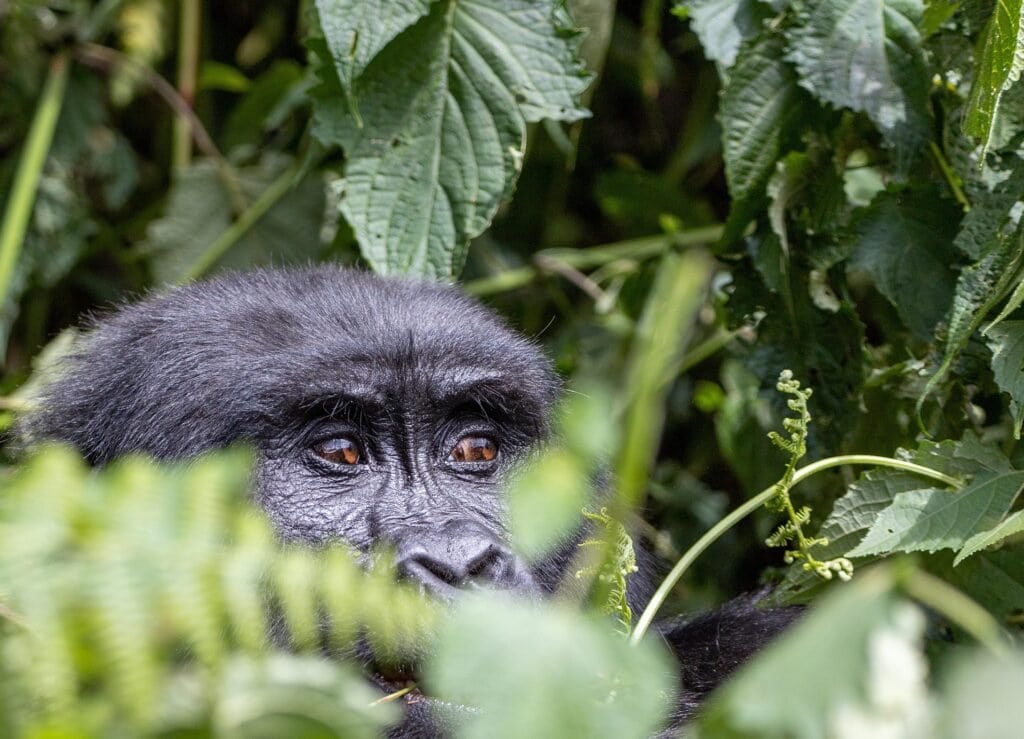
Mountain gorillas in Bwindi Impenetrable National Park Uganda
Is Uganda Safe for Tourists in 2026? (Quick Answer)
Yes. Uganda is generally safe for tourists who travel responsibly, follow local advice, and book with reputable tour operators.
The country’s tourism industry is well established, and its major attractions, including Bwindi Impenetrable National Park, Queen Elizabeth National Park, Murchison Falls National Park, Kibale National Park, and Kidepo Valley National Park, operate under structured conservation and visitor management systems.
Most travelers experience safe, enjoyable, and incident-free holidays.
Tourism contributes significantly to Uganda’s economy, making visitor safety a national priority. The Uganda Wildlife Authority (UWA), tourism police, park rangers, local communities, and licensed tour operators work together to protect visitors throughout their journeys.
While isolated incidents of petty crime can occur in busy urban areas, as they do in many countries, the vast majority of safari experiences take place in protected national parks where security measures are well organized.
Travelers who:
- use reputable safari companies,
- avoid displaying valuables,
- follow local guidance,
- purchase travel insurance, and
- stay informed through official travel advisories
can confidently enjoy Uganda’s remarkable wildlife and cultural experiences.
Expert Tip: Most international visitors spend over 90% of their trip inside national parks or on guided excursions, where security standards are significantly higher than in busy urban centers.
Why Uganda Continues to Be One of Africa’s Best Safari Destinations
Uganda has earned international recognition for offering an authentic African safari experience without the crowds often found in neighboring destinations.
Unlike many safari countries where wildlife viewing is concentrated in a few parks, Uganda combines multiple experiences into a single journey:
- Mountain gorilla trekking
- Chimpanzee tracking
- Big Five safaris
- Nile River adventures
- Mountain hiking
- Bird watching
- Cultural encounters
- Community tourism
- Luxury eco-lodges
- Photography expeditions
This diversity means visitors can enjoy an adventure that blends wildlife, culture, conservation, and relaxation.
According to tourism statistics, Uganda continues attracting visitors from Europe, North America, Australia, Asia, and across Africa, many of whom return for repeat visits.
One of the country’s greatest strengths is its people.
Ugandans are widely recognized for their friendliness, hospitality, and willingness to help visitors. Travelers frequently describe interactions with local communities as one of the highlights of their journey.
Understanding Uganda’s Current Security Situation in 2026
When evaluating any destination, it’s important to distinguish between national headlines and the realities experienced by tourists on the ground.
Uganda is politically stable and maintains functioning security institutions responsible for protecting residents and visitors alike.
Like many countries worldwide, Uganda occasionally experiences isolated security concerns, political demonstrations, or localized incidents. These rarely affect established tourism circuits, which are geographically separate from urban political activity.
Most safari itineraries include destinations such as:
- Bwindi Impenetrable National Park
- Mgahinga Gorilla National Park
- Queen Elizabeth National Park
- Lake Mburo National Park
- Kibale Forest National Park
- Murchison Falls National Park
- Kidepo Valley National Park
These parks operate under the supervision of the Uganda Wildlife Authority, whose trained rangers monitor wildlife, manage visitor access, and work alongside security agencies where necessary.
Tourists on organized safaris generally travel between destinations using experienced guides who remain informed about road conditions, weather, and any temporary travel advisories.
For this reason, guided safaris remain one of the safest ways to explore Uganda.
What International Travel Advisories Actually Mean
Many travelers become concerned after reading government travel advisories from their home countries.
It’s important to understand how these advisories work.
Government travel advisories are intentionally cautious. They often cover entire regions rather than specific tourist destinations and are designed to encourage travelers to exercise good judgment, not necessarily to discourage travel.
For Uganda, advisories commonly recommend:
- Staying informed about local developments
- Avoiding political demonstrations
- Exercising normal precautions in crowded areas
- Following local authority guidance
- Using licensed tour operators
- Purchasing comprehensive travel insurance
These are sensible recommendations that apply to many popular destinations around the world.
Experienced travelers understand that reading advisories in context, rather than focusing solely on headline warning levels, provides a more balanced picture.
At Solitary Safaris, we continuously monitor official guidance and adjust itineraries if conditions change, ensuring our guests enjoy safe and seamless travel experiences.
Why Booking Through a Local Tour Operator Makes Your Trip Safer
Independent travel is possible in Uganda, but there are compelling reasons why most international visitors choose to explore the country with a trusted local operator.
A professional safari company offers:
Local Expertise
Experienced guides understand road conditions, wildlife behavior, cultural etiquette, weather patterns, and regional logistics.
Real-Time Information
Local operators receive updates on park conditions, road maintenance, community events, and any temporary restrictions.
Emergency Support
Should unexpected situations arise, such as vehicle issues, medical concerns, or itinerary adjustments, a licensed operator can coordinate assistance quickly.
Reliable Transport
Well-maintained 4×4 safari vehicles are essential for reaching Uganda’s national parks safely and comfortably, particularly during the rainy seasons.
Licensed Guides
Professional guides are trained not only in wildlife interpretation but also in visitor safety, first aid, and responsible tourism practices.
Seamless Logistics
From airport pickup in Entebbe to accommodation bookings, permits, and park entry arrangements, organized tours reduce stress and allow travelers to focus entirely on the experience.
For many visitors, these advantages provide peace of mind that far outweighs the additional planning required for independent travel.
Are Uganda Safaris Safe?
One of the biggest concerns travelers have before booking an African adventure is whether going on safari is safe. The reassuring answer is yes, Uganda’s safari experiences are among the safest ways to explore the country.
Unlike independent travel in unfamiliar destinations, organized safaris operate within structured systems designed to prioritize visitor safety. National parks are managed by the Uganda Wildlife Authority (UWA), whose trained rangers patrol protected areas, monitor wildlife movements, enforce conservation regulations, and assist visitors throughout their stay.
Whether you’re exploring Murchison Falls National Park, searching for tree-climbing lions in Queen Elizabeth National Park, or watching elephants along the Kazinga Channel, your activities are carefully coordinated to ensure both your safety and the protection of Uganda’s wildlife.
Professional safari guides also play a critical role. They receive extensive training in wildlife behavior, first aid, defensive driving, and emergency response. Their knowledge helps visitors enjoy close wildlife encounters without unnecessary risks.

Is Uganda Safe for Tourists in 2026?
Why Guided Safaris Are Safer
Booking with an experienced operator such as Solitary Safafaris provides several advantages:
- Carefully planned routes through established tourism circuits.
- Well-maintained 4×4 safari vehicles equipped for varying terrain.
- Reliable communication with park authorities.
- Assistance with permits, accommodations, and logistics.
- Immediate support if travel plans need adjusting due to weather or road conditions.
Traveling with knowledgeable local guides allows you to focus on enjoying the journey while experienced professionals manage the practical details.
Wildlife Safety: Respect Nature, Enjoy the Experience
Uganda’s wildlife is one of its greatest attractions, but these are wild animals living in their natural habitats. Respecting park regulations ensures memorable and safe encounters.
During game drives, visitors should always:
- Remain inside the safari vehicle unless instructed otherwise.
- Follow the guide’s directions.
- Keep noise to a minimum.
- Never feed wildlife.
- Avoid sudden movements when animals are nearby.
- Maintain a respectful distance from all animals.
These simple practices help protect both visitors and wildlife while preserving natural behaviors.
Your guide understands animal behavior and knows how to position the vehicle for the best viewing opportunities without causing unnecessary disturbance.
Is Gorilla Trekking Safe?
For many travelers, mountain gorilla trekking is the highlight of visiting Uganda. It’s also one of the most carefully managed wildlife experiences in the world.
The endangered mountain gorillas found in Bwindi Impenetrable National Park and Mgahinga Gorilla National Park are protected through strict conservation programs.
Every trekking group is accompanied by:
- Uganda Wildlife Authority ranger guides
- Armed ranger escorts where appropriate
- Experienced trackers
- Local porters (optional but highly recommended)
Trackers locate the gorilla families early each morning before visitors begin hiking, allowing guides to lead guests safely through the forest.
Are Gorillas Dangerous?
Mountain gorillas are naturally shy and peaceful animals.
Years of conservation work have allowed certain gorilla families to become accustomed to respectful human presence.
Visitors are given a comprehensive briefing before every trek, covering:
- Maintaining a minimum viewing distance.
- Speaking quietly.
- Avoiding sudden movements.
- Not eating near gorillas.
- Following ranger instructions at all times.
As long as visitors respect these guidelines, gorilla encounters are considered extremely safe.
Many travelers describe the experience as life-changing rather than intimidating.
Physical Fitness for Gorilla Trekking
One common misconception is that gorilla trekking requires elite fitness.
In reality, trekking difficulty varies depending on where the gorillas are located on a particular day.
Some hikes last under an hour.
Others may take several hours across uneven terrain.
Visitors should prepare by:
- Wearing sturdy hiking boots.
- Carrying sufficient drinking water.
- Dressing in long sleeves and trousers.
- Using walking sticks provided by the park.
- Hiring a local porter if needed.
Hiring a porter not only makes the trek easier but also supports local livelihoods through community-based tourism.
Are Uganda’s National Parks Secure?
Uganda’s protected areas are managed with conservation and visitor safety as top priorities.
Major tourism destinations include:
- Bwindi Impenetrable National Park
- Queen Elizabeth National Park
- Kibale National Park
- Lake Mburo National Park
- Murchison Falls National Park
- Kidepo Valley National Park
- Mgahinga Gorilla National Park
Each park has trained personnel responsible for:
- Visitor registration.
- Ranger patrols.
- Wildlife monitoring.
- Emergency response.
- Conservation enforcement.
These systems have helped Uganda build an excellent reputation for responsible wildlife tourism.
Understanding Crime in Uganda
Like many countries, Uganda experiences crime, particularly in densely populated urban areas.
However, it’s important to distinguish between everyday city precautions and the realities of visiting safari destinations.
The most common issues affecting tourists involve:
- Pickpocketing.
- Opportunistic theft.
- Phone snatching.
- Bag theft in crowded areas.
Violent crime involving tourists is relatively uncommon, particularly within established tourism circuits.
Practical Safety Tips
To minimize risk:
- Avoid displaying expensive jewelry.
- Keep passports secure.
- Carry only the cash you need.
- Use reputable transportation.
- Avoid isolated streets after dark.
- Stay aware of your surroundings.
These precautions are similar to those recommended in many international cities.
Is Kampala Safe for Tourists?
Kampala, Uganda’s vibrant capital, serves as the gateway for many visitors arriving through Entebbe International Airport.
The city offers:
- Cultural attractions.
- Restaurants.
- Museums.
- Shopping.
- Nightlife.
Like any busy capital city, visitors should exercise normal urban awareness.
Recommended practices include:
- Using trusted taxis or hotel transport.
- Avoiding poorly lit areas late at night.
- Keeping valuables out of sight.
- Using ATMs located inside banks or shopping centers.
Many travelers spend only a short time in Kampala before continuing to Uganda’s national parks, where the pace becomes considerably more relaxed.
Road Travel Safety
Road travel is an essential part of exploring Uganda’s diverse landscapes.
Major highways continue to improve, while roads within national parks are often unpaved to preserve natural environments.
Professional safari operators account for these conditions by using specially equipped 4×4 vehicles driven by experienced guides.
Driving independently presents additional challenges, including unfamiliar road rules, varying road surfaces, and navigating remote areas.
For this reason, organized safari transportation remains the preferred option for most international visitors.
Health and Medical Considerations
Preparing for your journey includes taking sensible health precautions.
Before traveling to Uganda, consult your healthcare provider regarding recommended vaccinations and preventive measures.
Common recommendations may include:
- Yellow Fever (required for entry in many cases).
- Hepatitis A.
- Typhoid.
- Routine vaccinations.
- Malaria prevention, depending on your itinerary.
Always verify current health requirements with official sources before departure, as recommendations can change.

Is Uganda Safe for Tourists in 2026?
Malaria Prevention
Some safari destinations are located in areas where malaria is present.
Simple preventive measures significantly reduce risk:
- Take prescribed antimalarial medication if recommended by your doctor.
- Sleep under mosquito nets where provided.
- Apply insect repellent containing DEET or other recommended ingredients.
- Wear long sleeves and trousers during evening hours.
Many safari lodges also implement mosquito-control measures to enhance guest comfort.
Food and Water Safety
Uganda offers excellent hospitality, and reputable lodges maintain high standards of hygiene.
Visitors should nevertheless:
- Drink bottled or purified water.
- Avoid untreated water sources.
- Eat at reputable restaurants and lodges.
- Wash hands regularly.
- Carry hand sanitizer while traveling.
Fresh tropical fruits are widely available and can be enjoyed after proper washing or peeling.
Safety for Solo Travelers
Uganda has become increasingly popular among solo adventurers seeking authentic wildlife and cultural experiences.
Joining organized safaris provides an excellent balance between independence and security.
Solo travelers benefit from:
- Professional guides.
- Shared transportation options.
- Local expertise.
- Opportunities to meet other travelers.
- Reduced logistical stress.
Women traveling alone may also appreciate the additional reassurance that organized tours provide.
Is Uganda Safe for Female Travelers?
Yes. Many women travel throughout Uganda every year, both independently and with organized tours.
As with travel anywhere in the world, sensible precautions help ensure a positive experience.
Recommendations include:
- Dressing respectfully in local communities.
- Avoiding isolated areas after dark.
- Informing someone of your travel plans.
- Booking accommodations with strong reviews.
- Using trusted transportation providers.
Female travelers frequently praise Ugandans for their friendliness and hospitality.
Is Uganda Safe for Families?
Uganda is an outstanding destination for families seeking meaningful adventures.
Children often enjoy:
- Wildlife viewing.
- Boat safaris.
- Cultural experiences.
- Nature walks.
- Educational conservation activities.
Some activities, such as gorilla trekking, have minimum age requirements established by conservation authorities.
Family itineraries can easily be customized to include age-appropriate experiences while ensuring comfort and safety.
Travel Insurance: A Smart Investment
Comprehensive travel insurance should be considered essential for any international trip.
A suitable policy may include coverage for:
- Medical emergencies.
- Emergency evacuation.
- Trip cancellations.
- Lost luggage.
- Flight disruptions.
- Adventure activities such as gorilla trekking, where applicable.
Review your policy carefully to confirm that planned activities are included.
Why Travelers Feel Confident with Solitary Safaris
At Solitary Safaris, guest safety is integrated into every stage of the travel experience.
Our commitment includes:
- Experienced local guides.
- Professionally maintained safari vehicles.
- Carefully selected accommodations.
- Personalized itinerary planning.
- Real-time travel updates.
- Reliable airport transfers.
- Licensed operations.
- Responsive customer support before, during, and after your journey.
We believe that exceptional adventures begin with peace of mind. By combining local expertise with personalized service, we help travelers explore Uganda confidently while creating unforgettable memories.
Are There Any Areas Tourists Should Avoid?
One of the most common questions travelers ask is whether there are places in Uganda they should avoid.
The answer is similar to visiting almost any country: yes, there are areas where extra caution is advisable, but these are generally not part of the standard tourist itinerary.
Uganda’s most popular tourism destinations, including Bwindi Impenetrable National Park, Queen Elizabeth National Park, Kibale National Park, Murchison Falls National Park, Lake Mburo National Park, and most areas around Entebbe, receive thousands of visitors each year and are well-established tourism zones.
However, visitors should:
- Monitor official travel advisories before departure.
- Follow recommendations from their tour operator.
- Avoid unauthorized border crossings.
- Stay away from political demonstrations or public protests.
- Travel only on approved routes when visiting remote regions.
At Solitary Safaris, we continuously monitor local developments and adjust itineraries whenever necessary to prioritize guest safety and comfort.
Border Areas and Regional Considerations
Uganda shares borders with several neighboring countries, including Kenya, Tanzania, Rwanda, South Sudan, and the Democratic Republic of Congo (DRC).
Most tourists will never encounter security issues related to border regions because safari itineraries remain within designated tourism areas.
For travelers planning gorilla trekking near Bwindi or Mgahinga, it’s important to know that:
- Gorilla tourism is conducted under strict management.
- Ranger patrols are routine.
- Visitor access is carefully controlled.
- Guides receive regular security updates.
These conservation systems have successfully supported international tourism for many years.
Is Uganda Safe During Election Periods?
Another question travelers often ask concerns elections.
Election periods can sometimes lead to increased political activity in urban areas, including demonstrations or gatherings.
Fortunately, Uganda’s major safari destinations are generally far removed from political events.
If you are traveling during an election period:
- Avoid political gatherings.
- Follow advice from your guide.
- Stay informed through official updates.
- Allow some flexibility in urban travel schedules if necessary.
Professional tour operators routinely monitor developments and can adjust logistics should circumstances require.
Natural Risks: Weather and Terrain
Uganda’s landscapes are incredibly diverse, ranging from tropical rainforests to expansive savannahs, volcanic mountains, wetlands, and rivers.
While this diversity makes Uganda an extraordinary destination, it also means visitors should be prepared for changing weather conditions.
Common natural considerations include:
- Heavy rainfall during wet seasons.
- Muddy hiking trails.
- Slippery forest terrain.
- Dusty roads during dry months.
- Occasional flooding in localized areas.
Fortunately, these conditions are predictable and manageable with proper preparation.
Packing waterproof clothing, sturdy hiking boots, and lightweight breathable layers will help ensure a comfortable journey throughout the year.
Best Time to Visit Uganda for Safety and Wildlife Viewing
One of the best aspects of Uganda is that it is a year-round destination.
However, certain months provide more favorable conditions for wildlife viewing and outdoor activities.
Dry Seasons
The most popular months include:
- December to February
- June to September
Benefits include:
- Easier gorilla trekking.
- Better wildlife visibility.
- Improved road conditions.
- Comfortable hiking.
- Lower mosquito activity in some regions.
These months are particularly popular for photographers and first-time safari visitors.
Rainy Seasons
Uganda’s rainy periods generally occur between:
- March to May
- October to November
Although rainfall can make some trails more challenging, these seasons also offer unique advantages:
- Lush green landscapes.
- Fewer visitors.
- Excellent birdwatching.
- Beautiful photography opportunities.
- Attractive accommodation offers.
Experienced safari operators plan itineraries carefully to ensure guests enjoy the best possible experience regardless of season.
Why Uganda Is Often Safer Than Travelers Expect
Media headlines sometimes create an impression that all African destinations face similar challenges.
In reality, Africa is an enormous continent made up of more than fifty countries, each with its own political environment, tourism infrastructure, and security situation.
Uganda has invested significantly in wildlife conservation, eco-tourism, and visitor management over the past several decades.
For many travelers, the reality is surprisingly positive.
Visitors often remark on:
- Friendly local communities.
- Helpful guides.
- Well-managed national parks.
- Authentic cultural experiences.
- Relaxed atmosphere outside major cities.
Many first-time visitors arrive with concerns but leave wondering why they waited so long to experience Uganda.
Why Local Knowledge Makes All the Difference
A successful safari isn’t simply about reaching the destination, it’s about having knowledgeable professionals who understand every aspect of the journey.
Local guides know:
- The safest travel routes.
- Wildlife movement patterns.
- Seasonal road conditions.
- Cultural customs.
- Park regulations.
- Weather changes.
- Emergency contacts.
- Alternative itinerary options.
This expertise significantly reduces uncertainty and enhances the overall travel experience.
At Solitary Safaris, our guides don’t simply drive you between attractions, they enrich every moment with local stories, conservation insights, and personalized recommendations.
Responsible Tourism Makes Uganda Even Safer
Responsible tourism benefits everyone.
When travelers choose ethical operators, they support:
- Wildlife conservation.
- Community employment.
- Sustainable tourism.
- Anti-poaching initiatives.
- Environmental protection.
These efforts strengthen Uganda’s tourism industry while helping preserve its extraordinary natural heritage for future generations.
At Solitary Safaris, we believe every safari should contribute positively to conservation and local communities.
By working closely with community-owned lodges, local guides, and conservation partners, we help ensure tourism creates lasting benefits throughout Uganda.
Sustainable Gorilla Tourism
Uganda is considered one of the world’s leading examples of sustainable wildlife tourism.
Strict conservation rules include:
- Limited daily permits.
- Controlled group sizes.
- Mandatory health guidelines.
- One-hour viewing limits.
- Minimum viewing distances.
These measures protect both gorillas and visitors while generating essential conservation funding.
Every gorilla trekking permit contributes directly to protecting one of the world’s most endangered species.
Practical Packing Checklist for a Safe Uganda Safari
Packing appropriately can make your trip significantly more enjoyable.
Recommended essentials include:
Documents
- Passport
- Visa (if required)
- Travel insurance documents
- Vaccination certificate (where applicable)
- Safari itinerary
- Emergency contacts
Clothing
- Neutral-colored clothing
- Lightweight layers
- Waterproof jacket
- Wide-brimmed hat
- Comfortable hiking boots
- Long-sleeved shirts
- Hiking trousers
Health Essentials
- Prescription medications
- Insect repellent
- Sunscreen
- Hand sanitizer
- Basic first-aid kit
- Reusable water bottle
Electronics
- Camera
- Binoculars
- Power bank
- Universal travel adapter
- Extra memory cards
Being well prepared allows you to focus on enjoying Uganda’s incredible wildlife rather than worrying about forgotten essentials.
Frequently Asked Questions (FAQ)
Is Uganda safe for American tourists?
Yes. Thousands of American travelers visit Uganda every year for gorilla trekking, wildlife safaris, birdwatching, and cultural experiences. Booking with a licensed safari operator and following sensible travel precautions contributes to a safe and rewarding trip.
Is Uganda safe for UK tourists?
Yes. Uganda remains a popular destination for visitors from the United Kingdom. Travelers should monitor official travel advice before departure and use reputable tour operators throughout their visit.
Is Uganda safe for solo female travelers?
Yes. Many women travel independently or join organized safaris in Uganda. Choosing reputable accommodations, using trusted transportation, and traveling with experienced guides enhances both comfort and security.
Is gorilla trekking dangerous?
No. Gorilla trekking is carefully managed by the Uganda Wildlife Authority. Visitors receive safety briefings, experienced ranger guides accompany every trek, and strict conservation rules help ensure safe encounters with mountain gorillas.
Is Uganda safe for children?
Yes. Uganda is an excellent destination for families, although certain activities, such as gorilla trekking, have minimum age requirements. Family-friendly itineraries can easily be tailored to include wildlife viewing, boat safaris, cultural visits, and nature experiences suitable for younger travelers.
Can I travel independently in Uganda?
Independent travel is possible, but many international visitors prefer organized safaris for convenience, local expertise, reliable transportation, and enhanced safety throughout their journey.
Is Uganda worth visiting in 2026?
Absolutely. Uganda offers an exceptional combination of wildlife, adventure, culture, and conservation. From encountering endangered mountain gorillas to cruising the Nile and exploring vast national parks, few destinations provide such diverse experiences in one trip.
Why Choose Solitary Safaris for Your Uganda Adventure?
Planning a safari is about more than choosing destinations, it’s about trusting the people who will guide your journey.
At Solitary Safaris, we believe every traveler deserves a safari that is safe, personalized, authentic, and unforgettable.
Whether your dream is standing just a few meters from a family of endangered mountain gorillas, watching elephants cross the savannah at sunset, cruising along the Nile River, or meeting local communities, our team carefully plans every detail to ensure a seamless experience.
What Makes Solitary Safaris Different?
Local Expertise
Our guides are passionate Ugandans with extensive knowledge of the country’s wildlife, culture, conservation efforts, and hidden gems. Their local insight transforms every game drive and trekking adventure into an enriching experience.
Tailor-Made Itineraries
No two travelers are alike. We customize every itinerary to match your interests, travel style, schedule, and budget, whether you’re planning a luxury honeymoon, a family holiday, a solo adventure, or a photography expedition.
Commitment to Safety
Your safety is our priority from the moment you arrive at Entebbe International Airport until your departure. We use well-maintained safari vehicles, partner with trusted accommodations, and continuously monitor travel conditions to ensure a secure and enjoyable journey.
Sustainable Tourism
We proudly support conservation initiatives and local communities. By traveling with Solitary Safaris, you contribute to protecting Uganda’s wildlife and creating meaningful economic opportunities for local families.
Your Adventure Starts Here
Imagine waking up to the sounds of the African wilderness, setting out in search of lions, elephants, buffaloes, giraffes, and leopards, then spending an unforgettable hour face-to-face with endangered mountain gorillas.
Picture yourself cruising along the Kazinga Channel, watching hippos, crocodiles, and elephants gather at the water’s edge while countless bird species fill the skies.
Envision ending your day around a campfire beneath a sky filled with stars, sharing stories of the incredible wildlife encounters you’ve experienced.
These aren’t dreams, they’re experiences waiting for you in Uganda.
Ready to Explore Uganda Safely?
Whether you’re planning your first safari or returning to Africa for another adventure, our experienced team is ready to help.
We can assist with:
- Gorilla trekking permits
- Luxury safari packages
- Budget-friendly tours
- Family holidays
- Birdwatching expeditions
- Photography safaris
- Cultural experiences
- Honeymoon packages
- Customized itineraries
- Airport transfers
- Accommodation bookings
Every itinerary is designed around your interests while ensuring comfort, safety, and unforgettable memories.
Request Your Free Personalized Safari Quote
Planning a safari shouldn’t be overwhelming.
Our travel specialists will help you:
- Choose the best itinerary.
- Recommend the ideal travel season.
- Secure gorilla trekking permits.
- Select accommodations that suit your preferences.
- Answer all your travel questions before you book.
Contact Solitary Safaris today for a free, no-obligation safari consultation and personalized itinerary.
Why Uganda Should Be on Your 2026 Travel Bucket List
Uganda is often called the “Pearl of Africa,” and for good reason.
It combines extraordinary biodiversity, welcoming people, and authentic safari experiences in a way few destinations can.
From tracking mountain gorillas through ancient rainforests to witnessing the thunder of Murchison Falls, every journey reveals something unforgettable.
While no destination is entirely without risk, Uganda remains a safe and rewarding choice for travelers who prepare well, stay informed, and travel with trusted local professionals.
By choosing a reputable operator like Solitary Safaris, you’ll enjoy expert guidance, personalized service, and the confidence that comes from traveling with people who know Uganda best.
If you’re looking for a destination that combines adventure, wildlife, culture, and genuine hospitality, Uganda deserves a place at the top of your travel list.
Final Conclusion
So, is Uganda safe for tourists in 2026?
Yes. Uganda continues to welcome travelers from around the world with incredible wildlife, breathtaking landscapes, rich cultural heritage, and well-managed tourism experiences.
The key to a successful trip lies in preparation:
- Stay informed using official travel advice.
- Follow your guide’s recommendations.
- Respect wildlife and local customs.
- Travel with a licensed safari operator.
- Purchase comprehensive travel insurance.
Do these things, and you’ll likely discover what thousands of visitors experience every year:
Uganda is not only safe, it is one of Africa’s most inspiring and unforgettable destinations.
